
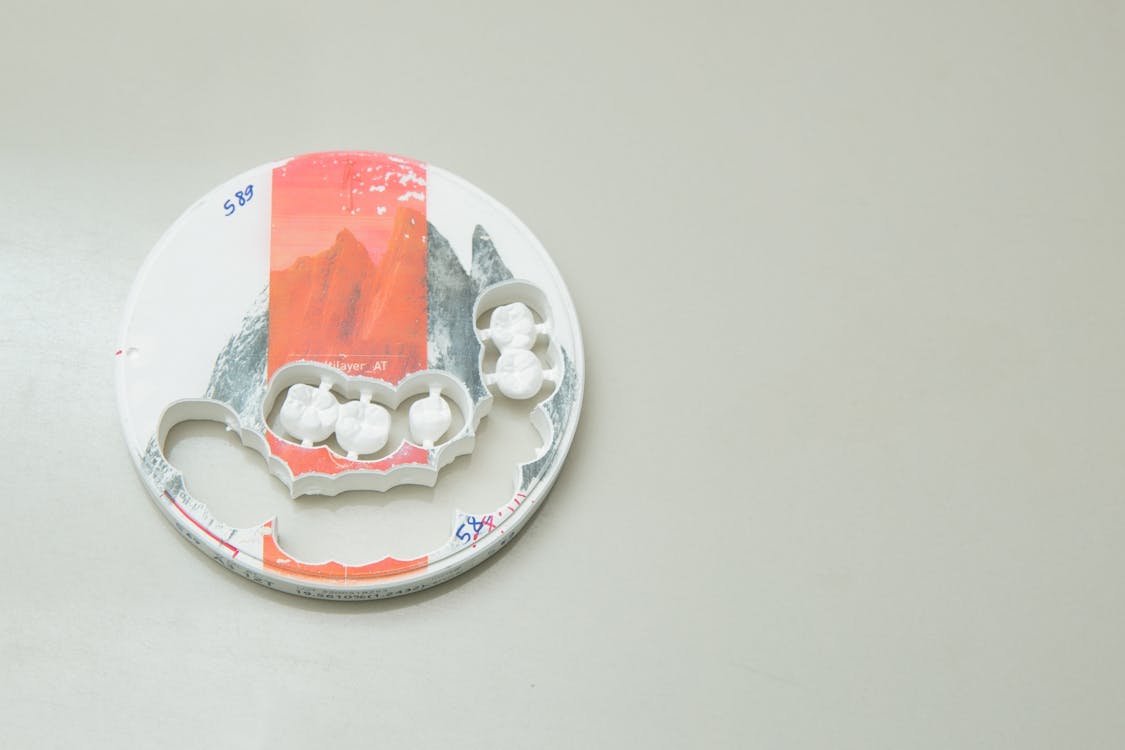
If one needs restorative surgery or some other dental prosthetic, dental lab technicians(DLTS) are their savior. DLTs are equivalent parts of sculptors and engineers, and they fabricate the prosthetics that aid millions of people. Creating prosthetic teeth has been there for centuries. They were a combination of ivory, gold, and other materials. Today, DLTs use technology to make teeth more high-tech and comfy. Below is the list of specific dental lab tools and guides.
What Makes an Immaculate Dental Laboratory Equipment?
Producing a high-quality dental prosthesis need not be costly in a crown dental lab. Therefore, to make dental fabrications of the finest quality, the equipment should retain all of the following characteristics:
- Biocompatibility
- Ease of Use
- Shelf-Life
- Strength
Choosing the correct type of dental equipment is essential. If one chooses a dental clinic, to ensure they are reasonable, their dental labs play a critical role. The latest equipment gives an accurate and quick diagnosis. Software like Cayster provides dental labs with high-quality technicians and high-tech equipment. Cayster is a technology company handling inefficiencies in the dental enterprise.
-
Dental impressions and molds
No two mouths are synonymous. Thereby, the impressions of the teeth are essential for dental lab technicians to prepare appropriate prosthetics. Wax bite rims/impression tools can document the form and measure of a person’s teeth, the measurements of their mouth, and other personalized details. Dental impressions give DLTs the foremost tool: Factual information.
-
Furnace
Dental prosthetics need to be as robust as natural teeth, preparing them from materials that only dissolve or shatter at increased temperatures.
DLTs will pour hot, liquid material into a form and get molded. Then, the crown, after cooling, is shaped and customized as per the patient and allowed to set inside a tooth-shaped mold. It is done in a crown dental lab.
-
Abrasive blaster
When a crown or other prosthetic arrives out of the furnace, it will still have scraps of molding stuck to it. An abrasive blaster (typically a sandblaster) blows lumps of molding of the prosthetic. The porcelain or the other material only remains.
-
Electric handpieces
Electric handpieces are used for sharpening them. It is used for broad strokes, not the fining of the molds. These tools size down a tooth, give it a distinctive curve or help form a specific point. Crown dental labs provide crowns and other prosthetic devices.
- Files, picks, and other hand tools
Teeth have unique features. DLTs need to have a vision for attributes. Picks, files, and other shaping tools help DLTs create the ridges/curves that give teeth uniqueness and functionality. These tools make them look natural.
-
Dental lathe
The spinning dental lathe seems like a bench grinder, but it’s for sheer work. This machine polishes and gives final touches to the artificial teeth, making them natural looking.
-
Shade guide and Computer colorimeter
The dental lab technicians need to fabricate a prosthetic that blends with one’s existing teeth and makes them look natural. They need to regain their patient’s smiles. A shade guide is a sequence of standard shades of off-white for teeth. Now, the dental lab technicians use the shade guide and then by colorimeter to determine the accuracy of the color match.
-
Dental Microscope
A dental microscope improves the rate of assessment and cure. It also allows dental care providers to explore features that are pretty difficult to capture by the naked eye.
-
Dental Scanner
To increase efficiency in the business, the dental scanner is used. It is created with modern technology, helping orthodontists develop treatment plans much easier.
-
Model Building Equipment
The existence of 3D printing has made a significant impact on the dental industry. Dental labs and clinics use it to make splints, explicit aligner models, biocompatible surgical manuals, and dentures less time-consuming.
-
Dental Die And Casting Machine
The dental casting machine makes restorations such as inlays, onlays, crowns, bridges, and removable partial dentures. The dental die and casting equipment permits for automation of many labor-intensive parts of fabrication techniques.
-
Lighting Equipment
A dental lab needs immaculate lighting equipment for a precise result. The most suitable lighting tools must be lightweight, with high luminance and negligibly warmth to deliver the most refined illumination.
-
Air purifier And Filtration System
So, dental lab technicians come across many harmful and hazardous substances. This sets them at a high risk of procuring health issues like asthma, allergies, and other side effects of long-term chemical exposure. So, one needs to clean up the office to reduce the viruses and germs, thereby reducing the risk percentage. It is mandatory to install an air purifier/exhaust ventilation system in dental offices to guard dental staff and patients against infection. This maintains their safety against health hazards.
This was the guide for specific dental tools for dental labs. A dentist finds their nearby crown dental labs for prosthetic devices.
